
The weekly and monthly cap decides when you will see the money
Direct answer
Three of ten publish a withdrawal cap and between them they state four figures: Wild Fortune 15,000 euros a month, PlayAmo 7,500 euros a week as well as 15,000 euros a month, and Bitcasino.io a million USDT a week. The rest have no figure, and that does not mean they have no cap.
Three figures and their clauses
In clause 11.8 Wild Fortune states a cap of 15,000 EUR a month. In clause 12 PlayAmo states two caps at once, 7,500 EUR a week and 15,000 EUR a month. In clause 6.10 Bitcasino.io states a cap of 1,000,000 USDT a week.
They are different quantities, not comparable at a glance. Three are in euros, the fourth in USDT, and we do not convert: the rate changes, no conversion mechanism stands in the terms and a conversion would be our estimate. Monthly and weekly thresholds mean an entirely different wait at the same sum, and a million a week restricts no ordinary player.
Wild Fortune added to its monthly cap two things easily overlooked. It gives the same threshold in six currencies at once, so the level depends on account currency, and adds that a larger balance may be paid in monthly instalments. The cap is thus no limit on one payout, but the pace at which the account empties.

The most coins of our ten: thirteen. The identity-verification clause sits in section 5, headed KYC/AML, and states no amount. Licence number ALSI-132405048-FI3 comes from Anjouan, and the company behind the brand is Cipher Games Ltd.
Two have a limits clause, but no figure
The other seven give no specific figure. That does not mean all are silent on limits.
Metaspins has clause 12.5, saying the maximum paid out may be limited by the chosen payment method. Bitsler's clause 8.6 reserves the right to set maximums and adds no level.
Two different kinds of emptiness, and a player should tell them apart. At five brands we found nothing on a cap in the terms. At these two we found an entitlement to set one, only without a figure, which for planning is worse than a published threshold, better than silence. Both kinds are marked differently in the table: withdrawal limits at casinos without verification.
An empty cell always means the same: in the document we read no such figure stands. Never zero or no limit.
How often the cap gets published at all
The ten in the table are a small sample, so we looked at the whole library. We follow a hundred brands and read off a withdrawal cap with a figure at fourteen. Eighty-six empty fields are why this site has no casino ranking: a column most rows leave empty can be ordered only after filling in by estimate.
More interesting than the count is the period. It is not settled: in those fourteen documents the threshold binds once to a day, once a week, once a month, in one case one transaction. The same sum thus means an entirely different wait at two brands, and the word “cap” alone says nothing.
So every figure on this page has its period and clause number. Without a period such a figure is unusable, without a clause unverifiable.
How the limit works out in days
Arithmetic is dull, exactly why casino sites do not do it.
A balance of 60,000 euros against a monthly threshold of 15,000 euros means four months, assuming the operator pays the whole sum at once. Against a weekly threshold of 7,500 euros the same balance is eight weeks. It is no fee or sanction, it is a contractual condition you agreed to at registration.
Smaller sums turn the same arithmetic upside down. A balance of 5,000 euros leaves at once against a weekly threshold of 7,500 euros, likewise against a monthly 15,000 euros. The cap thus does not hurt in ordinary play and begins to hurt exactly when the win you played for appears.
From that follows the one rule worth remembering. Read the cap before you begin, and convert it into the sum you consider a big win. If a number of months comes out, not days, you know the essential thing about that brand before your first deposit.
What that figure cannot tell is the speed of one payout. We read the processing period at one brand of ten, Vave: its clause 8.1 speaks of at most three days and of splitting a larger request into instalments; the breakdown is in the Vave review. At the other nine no such figure is in the documents, so whether their money arrives in an hour or three days is not a sentence here. Likewise no sentences here like “the withdrawal arrived in two hours”: we have no account at any operator and tried nothing, as described by how we read documents.
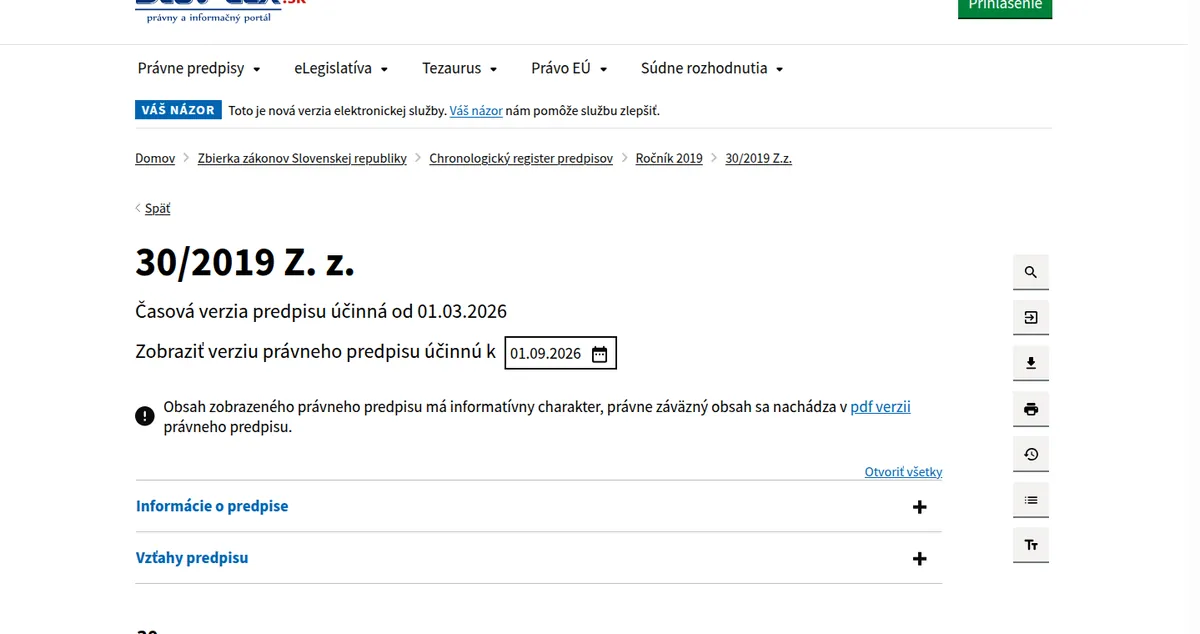
Every citation of § 31, § 33, § 36, § 80, § 85 and § 95 on this page comes from the version of the act in force from 1 January 2026. The English translation the authority itself offers is the version of 1 June 2019, and its numbering of the paragraphs of § 85 already differs.
The limit and the documents read together
This is the one paragraph to take from this page.
The cap says how much may leave in a period. The verification clause says what must happen before the first euro leaves. Joined, they give the real scenario: the withdrawal stops, a request for documents arrives, and the cap runs on meanwhile.
Bitcasino.io is the best example in the whole ten, publishing both figures. Its clause 6.10 cap is a million USDT a week, practically no obstacle. Its clause 6.6 verification threshold is 2,500 EUR, a sum an ordinary player will hit too. The smaller decides. Both clause forms with numbers at the rest are set out by identity verification.
When a withdrawal is refused or suspended
The answer to this is not legal. It is contractual, so looked for in the same document.
The first to read is the ground. Suspended and refused withdrawals are two different things: the first usually attaches to the verification clause, waiting for documents, the second to a breach of some condition, most often one account per person or the country you play from. Slovakia meanwhile stands on none of the nine restricted country lists we read; the breakdown is in foreign casino with a no-deposit bonus.
The second is where a complaint is lodged. A Slovak licence holder is supervised by the Úrad pre reguláciu hazardných hier, whose list is in who holds a Slovak licence. With a brand without one the only instance is itself and possibly its licence issuer; the Slovak authority will not help you here and we do not pretend otherwise.
How long an operator may hold a withdrawal we never read in the terms. So we add no “usually within 72 hours”: such a sentence would be our estimate, not their commitment.
What changes when a domain ends up in the register
In the terms, nothing. The limit stays the same, the documents clause too. The route to the site and to payment changes, because duties from § 85(12) of zákon č. 30/2019 Z. z. fall on connectivity operators and payment service providers. The breakdown is in the list of prohibited offers.